Frozen Drain Line or Clogged Pipe? How to Protect Your Plumbing in Lexington Winters
When temperatures in Lexington, KY dip below freezing—as they have this week—homeowners can experience some of the most frustrating and damaging plumbing issues: frozen drain lines and clogged pipes. While frozen water supply lines get most of the attention, drain lines are just as vulnerable—and often overlooked until it's too late.
At Doctor Rooter Plumbing, we’ve been getting a surge of calls throughout Lexington, Berea, Richmond, and the surrounding areas from homeowners dealing with slow drains, backed-up sinks, and frozen waste lines. In this article, we’ll help you understand:
- What causes frozen or clogged drain lines in winter
- How to spot the warning signs early
- What to do right now if your drain is blocked or frozen
- Steps you can take to prevent it in the future
- How we fix and winter-proof your plumbing for good
Why Do Drain Lines Freeze in the Winter?
Drain lines aren’t under pressure like water supply lines, but they’re still vulnerable to freezing—especially in older homes, mobile homes, and crawlspace-heavy homes that are common across Fayette, Madison, and Garrard counties.
Here’s why it happens:
❄️ Poor Insulation
Many drain lines in Lexington homes run through crawlspaces, basements, or exterior walls. If these areas aren’t insulated well, cold air can cause standing water or slow-draining water to freeze in the pipes.
❄️ Low Usage
Drains that don’t get regular use—like basement sinks or guest bathrooms—are more likely to freeze because water sits in the trap or pipe and never moves.
❄️ Partial Blockages + Freezing
If you have even a small clog or buildup, freezing temperatures can cause it to become a full blockage. Grease, food debris, or hair that’s stuck in a pipe can harden or freeze solid, stopping everything.
Signs of a Frozen or Clogged Drain Pipe
Recognizing the early signs can help prevent major water damage or flooding. Watch for:
- Slow draining water in sinks, tubs, or showers
- Gurgling noises when flushing toilets or draining water
- Water backing up into tubs or lower-level drains
- Unusual odors from drains (a sign of trapped waste)
- Complete blockages where nothing drains at all
If you’re noticing these issues and the temperature outside is below 32°F, you’re likely dealing with a frozen section of your drain line.
What to Do Right Now If You Suspect a Frozen Drain
Step 1: Stop Using Water in That Drain
Adding more water can make the problem worse or create flooding. Shut off faucets or appliances connected to the affected drain.
Step 2: Check Crawlspaces or Exterior Walls
If the drain runs through an area that feels extremely cold, that may be the problem spot. Look for exposed pipes or frost.
Step 3: Apply Gentle Heat if Accessible
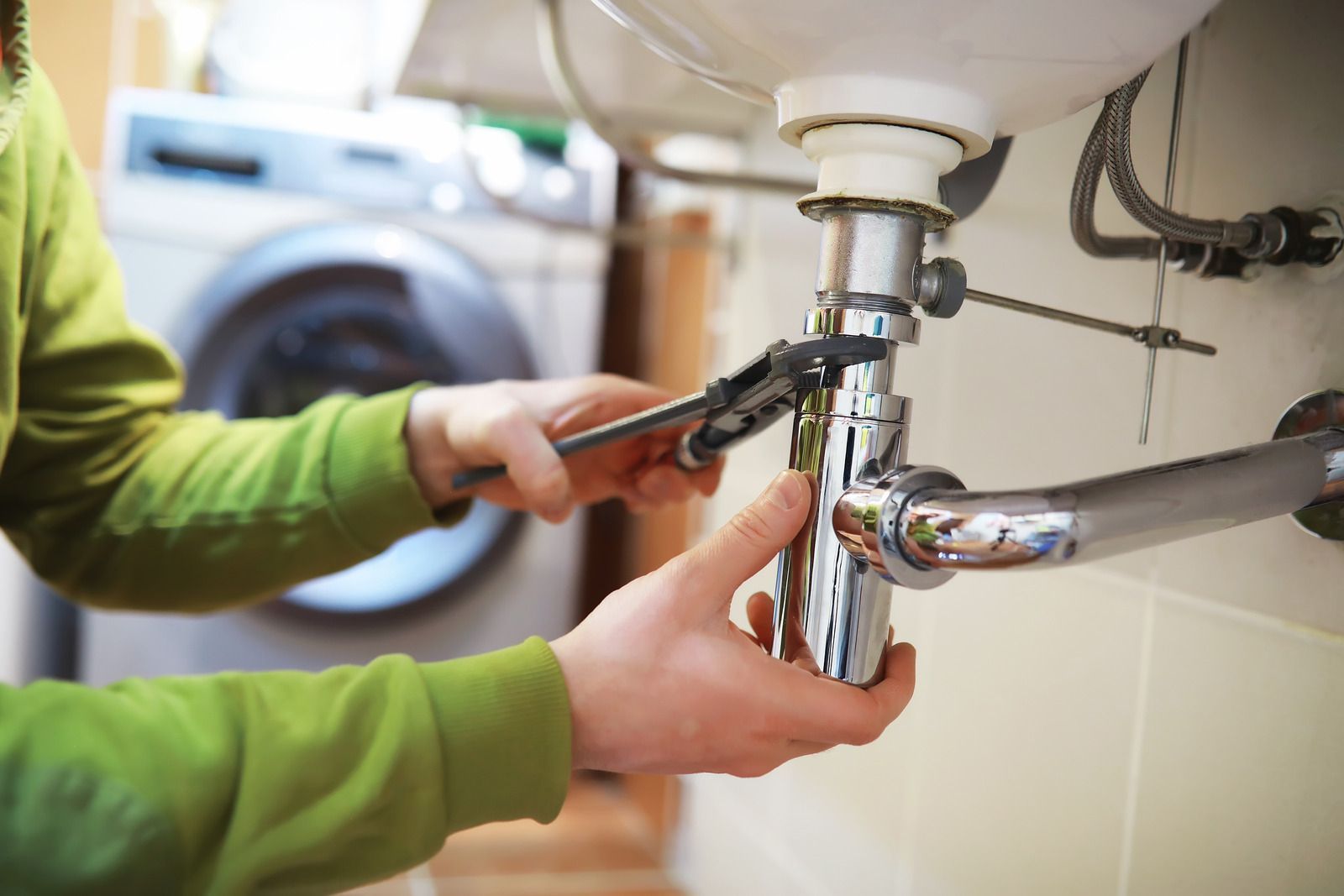
Use a space heater, heat tape, or warm towels to slowly warm the area—never use an open flame. If the pipe is in a wall or inaccessible, it’s time to call in a professional.
Step 4: Call Doctor Rooter Plumbing
We offer emergency service throughout Lexington, Berea, and Richmond and can quickly thaw frozen drains, clear clogs, and prevent future damage.
How Doctor Rooter Plumbing Fixes Frozen Drain Lines
We use safe, effective methods tailored for cold-weather plumbing problems in Central Kentucky, including:
🔧 Video Camera Inspections
We locate the blockage or frozen section without guesswork or unnecessary digging.
🧊 Steam or Safe Thawing Equipment
Our team uses controlled heat and professional-grade equipment to thaw pipes without damaging them.
🚿 Drain Cleaning & Hydro-Jetting
If clogs are part of the issue, we’ll use hydro-jetting or mechanical snakes to remove buildup and restore flow.
🔁 System Check & Prevention Planning
After the immediate problem is fixed, we’ll inspect vulnerable areas of your home to help winter-proof your system before the next cold snap.
How to Prevent Frozen Drains in Lexington Winters
After we’ve helped you get everything flowing again, we can show you how to avoid future problems with these steps:
- Insulate exposed drain lines in crawlspaces and exterior walls
- Use heat tape or pipe heaters in high-risk areas
- Let faucets drip during severe cold to keep water moving
- Seal air leaks around pipe penetrations and vents
- Run water regularly in drains that don’t get frequent use
- Schedule preventative drain cleaning before and after winter to avoid buildup freezing solid
These steps are especially important for homes with crawlspaces, mobile homes, and older properties in downtown Lexington, historic Berea, or the rural areas surrounding Richmond.
Why Lexington Homeowners Trust Doctor Rooter Plumbing
We’re a local company serving homeowners across Lexington, Berea, Richmond, and surrounding areas. We understand the plumbing systems, the weather, and the common risks that winter brings to Kentucky homes.
Our team is:
- Licensed, insured, and experienced
- Known for fast response times
- Equipped with winter-safe tools and thawing methods
- Trusted by over 85+ happy reviewers (and counting!)
Call Now Before the Damage Gets Worse
If you suspect a frozen drain line or clogged pipe, don’t wait for it to thaw on its own. That often leads to bursts, flooding, or sewer backups.
📞 Call Doctor Rooter Plumbing today for fast, reliable winter plumbing services in Lexington, Berea, and Richmond, KY.